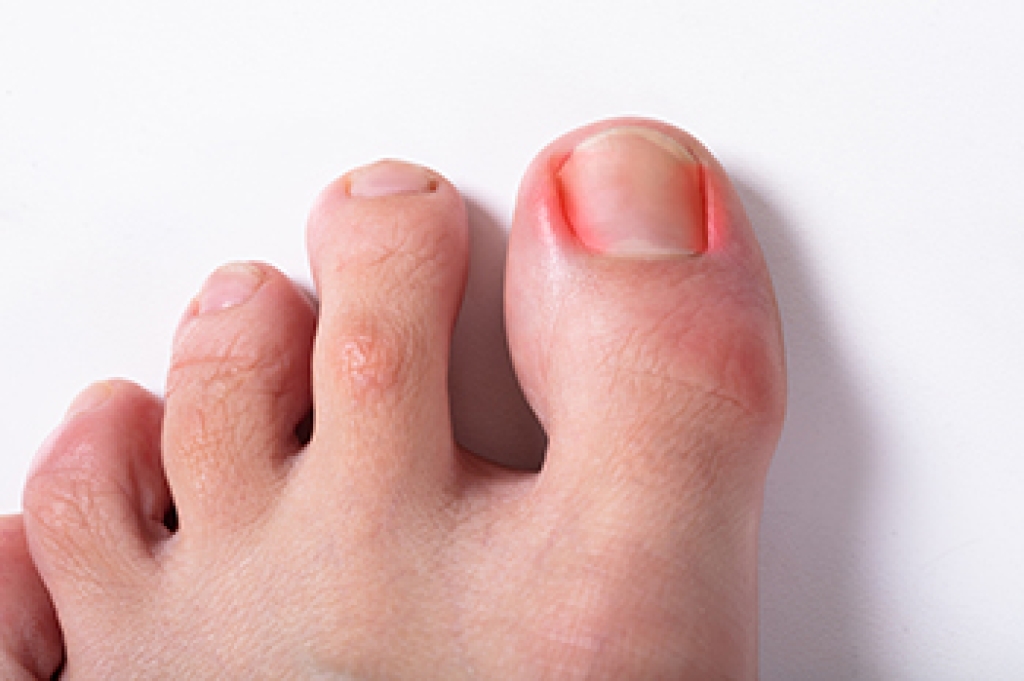
Relieving Foot and Ankle Arthritis with Simple Exercises

Foot and ankle arthritis occurs when the joints become worn or inflamed, leading to pain, stiffness, and reduced movement. Many people notice aching with walking, swelling, or difficulty pushing off the ground. Over time, this can limit daily activities and overall mobility. Targeted exercises can help improve strength and flexibility. Ankle plantar flexion, which involves pointing the foot downward, helps maintain joint motion and supports walking mechanics. This can be done using resistance bands or simple controlled movements. Strengthening the small muscles on the bottom of the foot is also important. Exercises like towel scrunches or picking up small objects with the toes help stabilize the arch and reduce strain on the joints. Consistency is key to managing symptoms and improving function. If pain continues or worsens, it is suggested that you schedule a visit with a podiatrist to get personalized care and protect your long-term foot and ankle health.

Arthritis can be a difficult condition to live with. If you are seeking treatment, contact Derek Smith, DPM from Oklahoma. Our doctor can provide the care you need to keep you pain-free and on your feet.

Arthritic Foot Care  

Arthritis is a term that is commonly used to describe joint pain.  The condition itself can occur to anyone of any age, race, or gender, and there are over 100 types of it.  Nevertheless, arthritis is more commonly found in women compared to men, and it is also more prevalent in those who are overweight. The causes of arthritis vary depending on which type of arthritis you have. Osteoarthritis for example, is often caused by injury, while rheumatoid arthritis is caused by a misdirected immune system.

Symptoms

  • Swelling
  • Pain
  • Stiffness
  • Decreased Range of Motion

Arthritic symptoms range in severity, and they may come and go. Some symptoms stay the same for several years but could potentially get worse with time. Severe cases of arthritis can prevent its sufferers from performing daily activities and make walking difficult.

Risk Factors

  • Occupation – Occupations requiring repetitive knee movements have been linked to osteoarthritis
  • Obesity – Excess weight can contribute to osteoarthritis development
  • Infection – Microbial agents can infect the joints and trigger arthritis
  • Joint Injuries – Damage to joints may lead to osteoarthritis
  • Age – Risk increases with age
  • Gender –Most types are more common in women
  • Genetics – Arthritis can be hereditary

If you suspect your arthritis is affecting your feet, it is crucial that you see a podiatrist immediately. Your doctor will be able to address your specific case and help you decide which treatment method is best for you.

If you have any questions please feel free to contact our offices located in Ponca City, and Stillwater, OK . We offer the newest diagnostic tools and technology to treat your foot and ankle needs.

Read more about How to Care for Your Arthritic Foot

Stop Your Toenail Fungus

Have you noticed discoloration of your toenails? Have they become thickened or brittle? If so, you may be experiencing symptoms of a fungal nail infection. For some, having a fungal nail can be embarrassing. Overcome your embarrassment, and get treated.

Exercises Can Promote Healthy Feet and Ankles

The feet and ankles support body weight and help with balance, so weakness or stiffness in these areas can lead to pain and poor movement patterns. Certain exercises can play an important role in keeping the feet strong, stable, and flexible. Strengthening exercises improve muscle control and help support the arch. Stretching exercises improve flexibility and reduce tightness in the joints and soft tissue. Regular movement can also improve how forces move through the foot while walking or running. This helps to lower the risk of injury. A podiatrist can assess foot structure, identify areas of weakness or limited motion, and design a targeted exercise plan based on your specific needs. This plan may include exercises to build strength, improve range of motion, and support proper alignment. If you experience foot or ankle pain, it is suggested that you make an appointment with a podiatrist for treatment, which may include targeted exercises.

Exercising your feet regularly with the proper foot wear is a great way to prevent injuries and build strength. If you have any concerns about your feet, contact Derek Smith, DPM from Oklahoma. Our doctor can provide the care you need to keep you pain-free and on your feet.

Exercise for Your Feet

Exercise for your feet can help you gain strength, mobility and flexibility in your feet. They say that strengthening your feet can be just as rewarding as strengthening another part of the body. Your feet are very important, and we often forget about them in our daily tasks. But it is because of our feet that are we able to get going and do what we need to. For those of us fortunate enough to not have any foot problems, it is an important gesture to take care of them to ensure good health in the long run.

Some foot health exercises can include ankle pumps, tip-toeing, toe rises, lifting off the floor doing reps and sets, and flexing the toes. It is best to speak with Our doctor to determine an appropriate regimen for your needs. Everyone’s needs and bodies are different, and the activities required to maintain strength in the feet vary from individual to individual. 

Once you get into a routine of doing regular exercise, you may notice a difference in your feet and how strong they may become.

If you have any questions, please feel free to contact our offices located in Ponca City, and Stillwater, OK . We offer the newest diagnostic and treatment technologies for all your foot care needs.
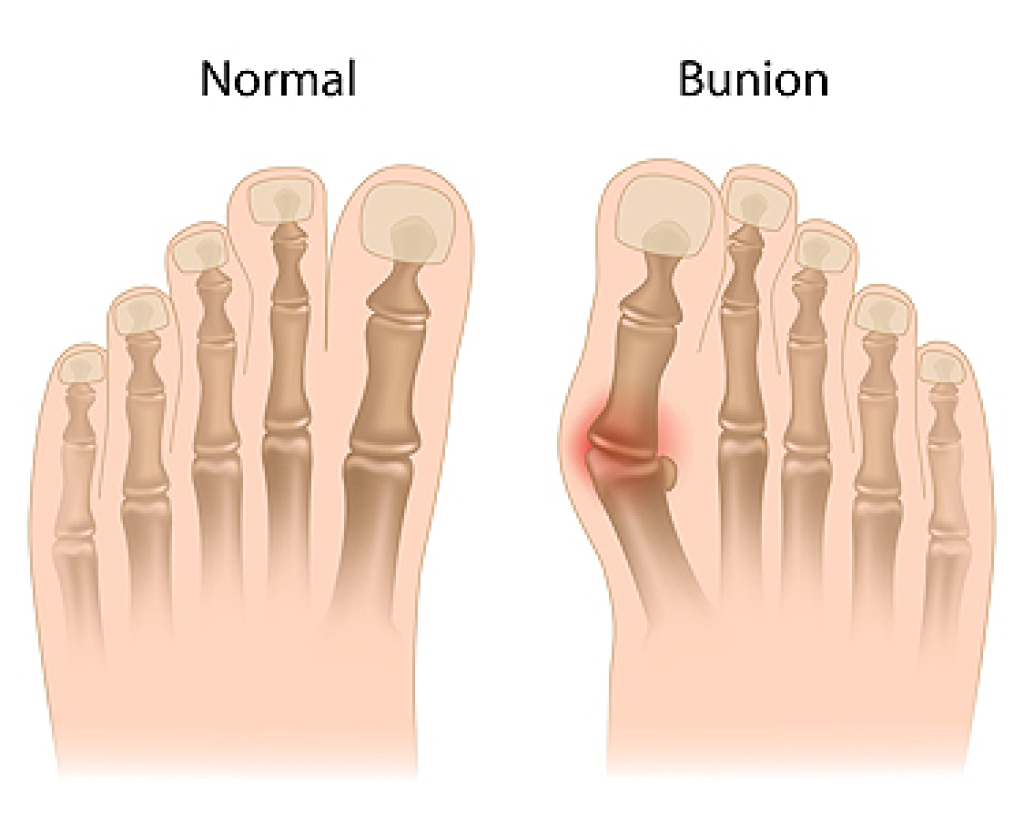

Read more about Exercise for Your Feet

Finding Relief From Achilles Tendon Pain

Achilles tendinopathy is a condition involving irritation and breakdown of the Achilles tendon, the thick band that connects the calf muscles to the heel bone. Diagnosis begins with a careful exam, where a podiatrist checks for pain, swelling, and stiffness along the back of the heel, especially with movement or pressure. Imaging such as an ultrasound or MRI scans may be used to confirm changes in the tendon structure. Treatment focuses on reducing strain and supporting healing. This may include activity changes, wearing supportive shoes, heel lifts, and guided stretching and strengthening exercises. Targeted exercises can help improve tendon function, over time. In some cases, advanced options may be considered. Ignoring symptoms can lead to worsening damage. If heel pain is ongoing or limiting activity, it is suggested that you see a podiatrist for an evaluation, diagnosis, and appropriate care.

Achilles tendon injuries need immediate attention to avoid future complications. If you have any concerns, contact Derek Smith, DPM of Oklahoma. Our doctor can provide the care you need to keep you pain-free and on your feet.

What Is the Achilles Tendon?

The Achilles tendon is a tendon that connects the lower leg muscles and calf to the heel of the foot. It is the strongest tendon in the human body and is essential for making movement possible. Because this tendon is such an integral part of the body, any injuries to it can create immense difficulties and should immediately be presented to a doctor.

What Are the Symptoms of an Achilles Tendon Injury?

There are various types of injuries that can affect the Achilles tendon. The two most common injuries are Achilles tendinitis and ruptures of the tendon.

Achilles Tendinitis Symptoms

  • Inflammation
  • Dull to severe pain
  • Increased blood flow to the tendon
  • Thickening of the tendon

Rupture Symptoms

  • Extreme pain and swelling in the foot
  • Total immobility

Treatment and Prevention

Achilles tendon injuries are diagnosed by a thorough physical evaluation, which can include an MRI. Treatment involves rest, physical therapy, and in some cases, surgery. However, various preventative measures can be taken to avoid these injuries, such as:

  • Thorough stretching of the tendon before and after exercise
  • Strengthening exercises like calf raises, squats, leg curls, leg extensions, leg raises, lunges, and leg presses

If you have any questions please feel free to contact our offices located in Ponca City, and Stillwater, OK . We offer the newest diagnostic tools and technology to treat your foot and ankle needs.

Read more about Achilles Tendon Injuries

Blisters on the Feet and How a Podiatrist Can Help

Foot blisters form when repeated friction irritates the top layers of the skin, creating a small pocket of fluid meant to protect the deeper tissue. Heat, moisture, and wearing poorly fitting shoes increase the likelihood of this irritation, especially during long walks, exercise, or standing for extended periods of time. Socks that trap sweat, tight straps, and seams inside footwear can also contribute. In some cases, foot structure or gait issues place extra pressure on certain areas, making blisters more likely to recur. While many blisters heal on their own, they can become painful or infected if they break or if bacteria enter the area. A podiatrist can determine why they are forming and treat them safely by reducing pressure, draining the blister when appropriate, and applying protective dressings. Addressing underlying causes such as shoe fit, foot mechanics, or excessive moisture helps prevent new blisters. If blisters keep returning or show signs of redness, warmth, or swelling, it is suggested that you see a podiatrist for proper care and prevention guidance.

Blisters may appear as a single bubble or in a cluster. They can cause a lot of pain and may be filled with pus, blood, or watery serum. If your feet are hurting, contact Derek Smith, DPM of Oklahoma. Our doctor can provide the care you need to keep you pain-free and on your feet.

Foot Blisters

Foot blisters are often the result of friction. This happens due to the constant rubbing from shoes, which can lead to pain.

What Are Foot Blisters?

A foot blister is a small fluid-filled pocket that forms on the upper-most layer of the skin. Blisters are filled with clear fluid and can lead to blood drainage or pus if the area becomes infected.

Symptoms

(Blister symptoms may vary depending on what is causing them)

  • Bubble of skin filled with fluid
  • Redness
  • Moderate to severe pain
  • Itching

Prevention & Treatment

In order to prevent blisters, you should be sure to wear comfortable shoes with socks that cushion your feet and absorb sweat. Breaking a blister open may increase your chances of developing an infection. However, if your blister breaks, you should wash the area with soap and water immediately and then apply a bandage to the affected area. If your blisters cause severe pain it is important that you call your podiatrist right away.

If you have any questions, please feel free to contact our offices located in Ponca City, and Stillwater, OK . We offer the newest diagnostic and treatment technologies for all your foot care needs.
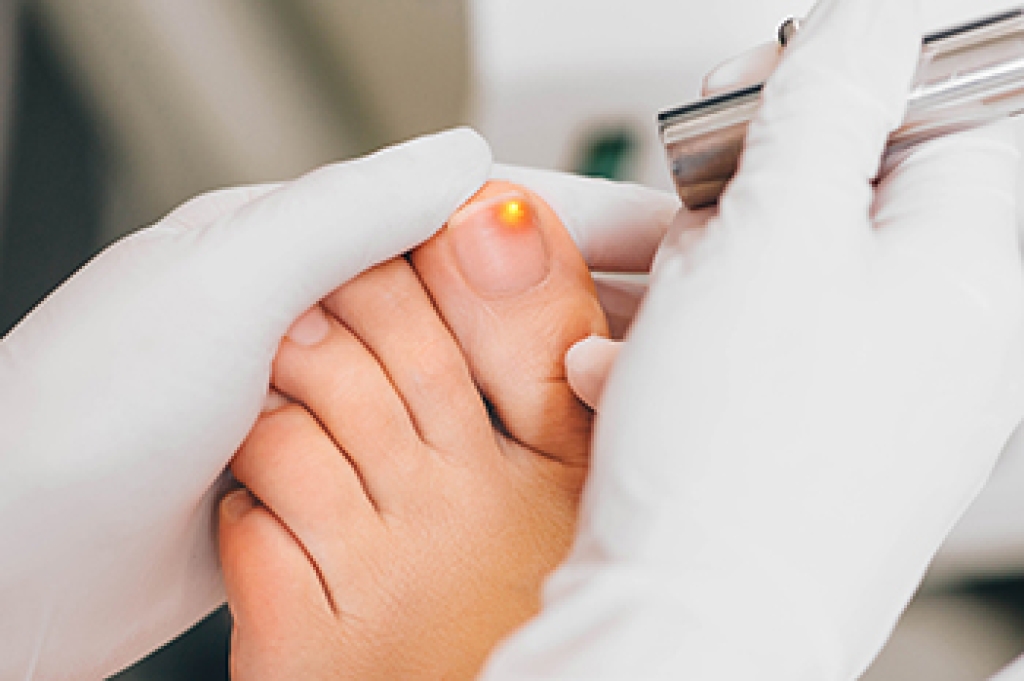
Read more about Blisters

Connect With Us

scroll to top