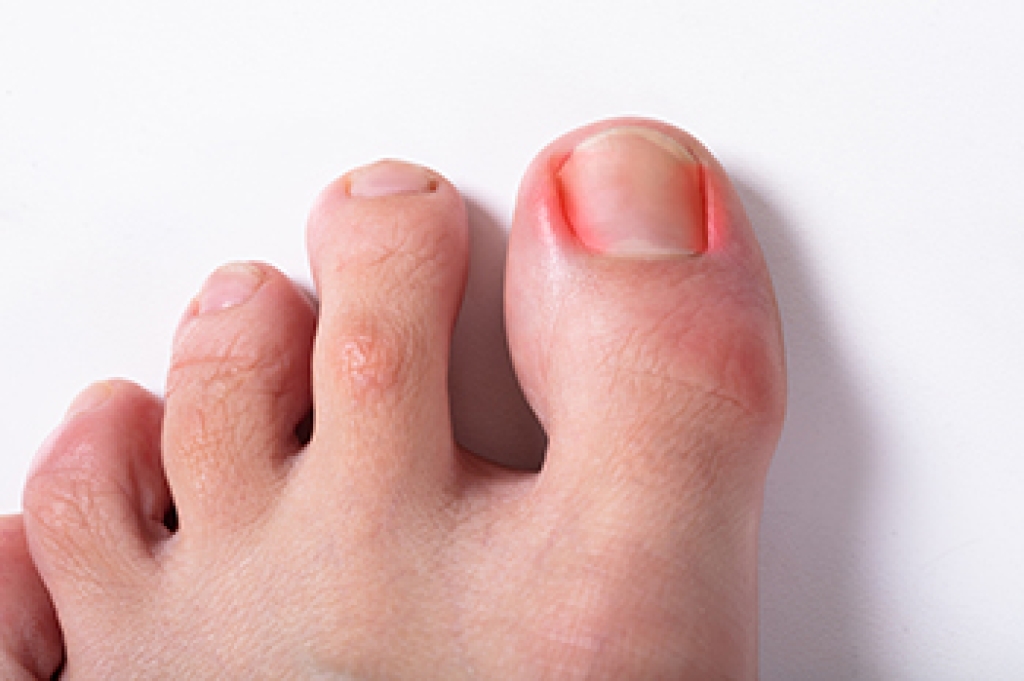
How Aging and Lifestyle Factors Contribute to Bunion Development

Bunions are a common foot condition that develops gradually as the big toe joint becomes misaligned, forming a prominent bump along the side of the foot. This structural change can affect balance, walking ability, and overall foot health. Bunions are known to increase in frequency with age and are especially common in women due to both biological and lifestyle factors. Recognizing how these elements contribute to bunion formation can help individuals take proactive steps to protect their feet.

The symptoms of bunions often begin with mild discomfort and progress to more noticeable pain, swelling, and stiffness in the big toe joint. The area may become tender, particularly when wearing shoes that press against the bunion. Over time, the big toe may shift toward the other toes, leading to crowding and difficulty finding comfortable footwear. These symptoms can limit mobility and reduce quality of life if not properly managed.


Risk factors for bunions include inherited foot structure, aging-related joint changes, and footwear choices. As people age, ligaments may lose strength, making the foot more prone to misalignment. Women are at higher risk due to frequent use of narrow or high-heeled shoes that concentrate pressure on the forefoot. Additional causes include repetitive stress on the feet, flat arches, and improper gait patterns. These factors work together to increase strain on the big toe joint and contribute to bunion development.


Preventive strategies include wearing supportive shoes with a wide toe box, maintaining healthy foot mechanics, and avoiding excessive pressure on the forefoot. Early attention to symptoms can help slow progression and improve comfort. Taking a proactive approach to foot care supports long-term mobility and well-being. If you have a bunion or notice worsening symptoms, it is suggested that you consult a podiatrist for effective relief and management solutions.

If you are suffering from bunions, contact Derek Smith, DPM of Oklahoma. Our doctor can provide the care you need to keep you pain-free and on your feet.

What Is a Bunion?

A bunion is formed of swollen tissue or an enlargement of boney growth, usually located at the base joint of the toe that connects to the foot. The swelling occurs due to the bones in the big toe shifting inward, which impacts the other toes of the foot. This causes the area around the base of the big toe to become inflamed and painful.

Why Do Bunions Form?

Genetics – Susceptibility to bunions are often hereditary

Stress on the feet – Poorly fitted and uncomfortable footwear that places stress on feet, such as heels, can worsen existing bunions

How Are Bunions Diagnosed?

Podiatrists often perform two tests – blood tests and x-rays – when trying to diagnose bunions, especially in the early stages of development. Blood tests help determine if the foot pain is being caused by something else, such as arthritis, while x-rays provide a clear picture of your bone structure to your provider.

How Are Bunions Treated?

  • Refrain from wearing heels or similar shoes that cause discomfort
  • Select wider shoes that can provide more comfort and reduce pain
  • Anti-inflammatory and pain management drugs
  • Orthotics or foot inserts
  • Surgery

If you have any questions, please feel free to contact our offices located in Ponca City, and Stillwater, OK . We offer the newest diagnostic and treatment technologies for all your foot care needs.
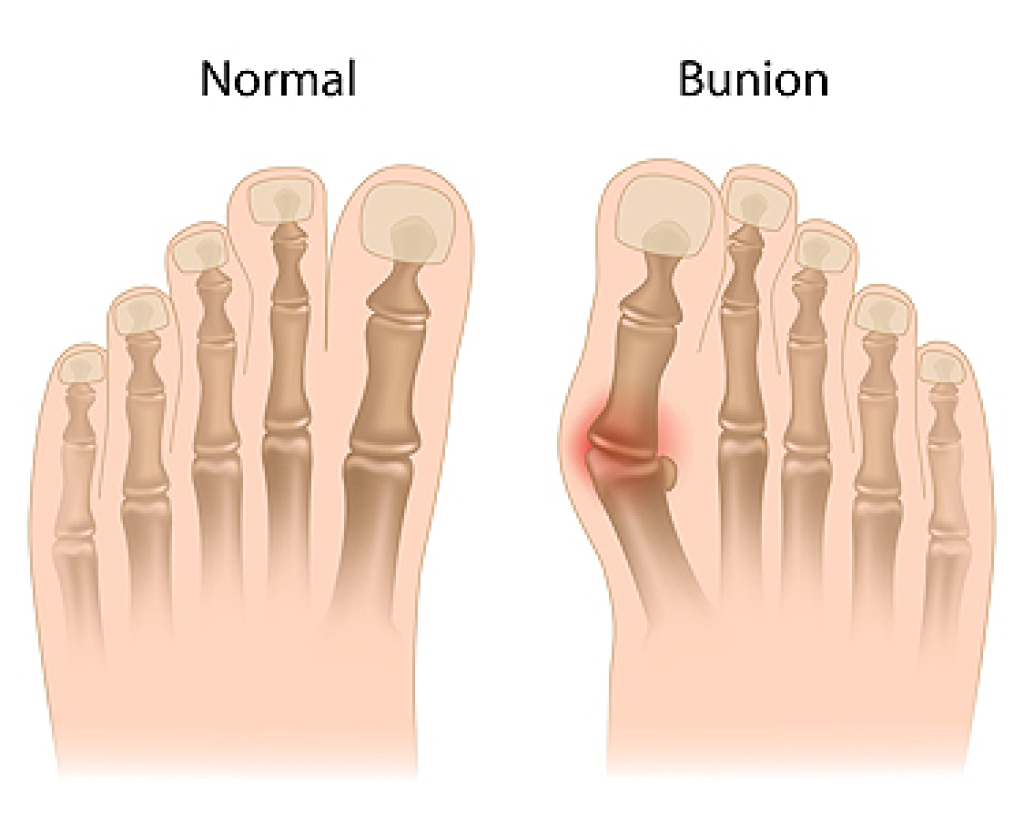

Read more about What Are Bunions?

Are You Suffering From Nerve Damage?

Neuropathy is a condition that can lead to numbness or loss of sensation in the feet, but it can also cause pain. This condition is more likely to develop for those who are diabetic, obese, or with high blood pressure.

Treating Toenail Fungus With Expert Podiatry Care

Toenail fungus is an infection that develops when fungi grow in or under the nail. The infection usually begins slowly and can affect one or more toenails. Early signs include white, yellow, or brown discoloration. As the infection progresses, the nail can become thicker, brittle, crumbly, or misshapen. Some people also notice the nail separating from the skin underneath, along with discomfort or an unpleasant odor. Toenail fungus often starts after athlete's foot spreads to the nail, and fungi thrive in warm, moist environments. Wearing shoes for long periods without good air flow and repeated nail injuries can also increase the risk of infection.

A podiatrist carefully examines the affected nail and surrounding skin to confirm the cause of the problem because several nail conditions can look similar. In some cases, testing a small nail sample helps identify the type of infection before treatment begins. Treatment includes trimming thickened nails, removing damaged nail material when appropriate, and recommending the most effective treatment plan. A podiatrist also evaluates foot structure and nail health to reduce pressure that can worsen discomfort. Regular follow-up visits help monitor nail growth and track progress as healthier nail tissue gradually replaces the damaged nail. Addressing the infection early can also help protect nearby nails and improve overall foot health.

Ignoring toenail fungus can allow the infection to spread to additional nails and increase damage to the affected nail. In severe cases, the nail can become deformed or even destroyed. People with diabetes or weakened immune systems should seek prompt podiatry care because complications can develop more easily. Early evaluation helps confirm the diagnosis, guide appropriate treatment, and improve the chances of healthy nail growth. If you have symptoms of toenail fungus, it is suggested that you schedule an appointment with a podiatrist for diagnosis and treatment.

If left untreated, toenail fungus may spread to other toenails, skin, or even fingernails. If you suspect you have toenail fungus it is important to seek treatment right away. For more information about treatment, contact Derek Smith, DPM of Oklahoma. Our doctor can provide the care you need to keep you pain-free and on your feet.

Symptoms

  • Warped or oddly shaped nails
  • Yellowish nails
  • Loose/separated nail
  • Buildup of bits and pieces of nail fragments under the nail
  • Brittle, broken, thickened nail

Treatment

If self-care strategies and over-the-counter medications does not help your fungus, your podiatrist may give you a prescription drug instead. Even if you find relief from your toenail fungus symptoms, you may experience a repeat infection in the future.

Prevention

In order to prevent getting toenail fungus in the future, you should always make sure to wash your feet with soap and water. After washing, it is important to dry your feet thoroughly especially in between the toes. When trimming your toenails, be sure to trim straight across instead of in a rounded shape. It is crucial not to cover up discolored nails with nail polish because that will prevent your nail from being able to “breathe”.

In some cases, surgical procedure may be needed to remove the toenail fungus. Consult with your podiatrist about the best treatment options for your case of toenail fungus.  

If you have any questions please contact our offices located in Ponca City, and Stillwater, OK . We offer the newest diagnostic and treatment technologies for all your foot and ankle needs.

Read more about How to Treat Your Toenail Fungus

Understanding Corns on the Feet

Corns are thick, hardened areas of skin that develop when repeated pressure or friction affects a specific part of the foot. Unlike a callus, which usually covers a larger area, a corn is smaller and has a firm center that can become quite painful. Corns usually form on the tops or sides of the toes or between the toes where rubbing occurs.  Wearing shoes that are too tight, shoes that are too loose, and high heels can all increase pressure on the skin. Foot problems like hammertoes or claw toes also raise the risk because they change the way the toes press against shoes. As the skin thickens to protect itself, discomfort while walking can become harder to ignore.

A podiatrist can identify a corn with a careful examination and determine what is causing the repeated pressure. Finding the underlying cause is important because simply removing the thickened skin does not prevent the corn from returning. Treatment includes gently trimming the hardened skin in the office to relieve discomfort. A podiatrist can also evaluate toe deformities and explain whether surgery is the best option when a structural problem continues to create excessive pressure. Patients also receive guidance about choosing shoes with a roomy toe area and avoiding shoes that lack proper support. These steps help reduce pressure on sensitive areas and improve comfort with daily activities.

Ignoring a painful corn can make standing and walking more difficult while increasing irritation around the affected area. Early care helps relieve discomfort before the problem becomes more limiting. A podiatrist can recommend treatment that matches your foot structure and activity level while helping reduce repeated pressure on vulnerable areas. Prompt evaluation also helps identify related foot problems before they become more serious. If you have developed corns on the feet, it is suggested that you schedule an appointment with a podiatrist for a diagnosis and appropriate treatment.

Corns can make walking very painful and should be treated immediately. If you have questions regarding your feet and ankles, contact Derek Smith, DPM of Oklahoma. Our doctor will treat your foot and ankle needs.

Corns: What Are They? And How Do You Get Rid of Them?
Corns are thickened areas on the skin that can become painful. They are caused by excessive pressure and friction on the skin. Corns press into the deeper layers of the skin and are usually round in shape.

Ways to Prevent Corns
There are many ways to get rid of painful corns such as:

  • Wearing properly fitting shoes that have been measured by a professional
  • Wearing shoes that are not sharply pointed or have high heels
  • Wearing only shoes that offer support

Treating Corns

Although most corns slowly disappear when the friction or pressure stops, this isn’t always the case. Consult with your podiatrist to determine the best treatment option for your case of corns.

If you have any questions, please feel free to contact our offices located in Ponca City, and Stillwater, OK . We offer the newest diagnostic and treatment technologies for all your foot care needs.
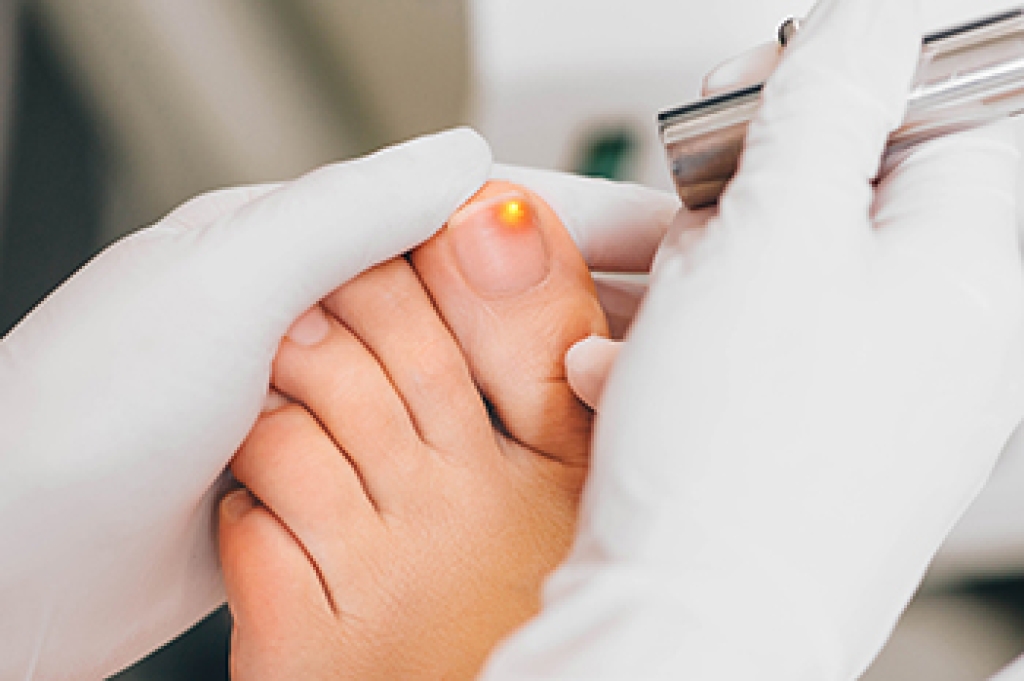
Read more about Understanding Corns and Calluses

Podiatric Care for Flat Feet

Flat feet develop when the arches of the feet are lower than expected, or do not form fully. Some people are born with flat feet, while others develop them later because of aging, injury, or changes in the tendons that support the arch. Tendons are strong bands of tissue that connect muscles to bones. Many people with flat feet have no symptoms, but others experience pain in the feet, ankles, or lower legs. Some also notice swelling along the inside of the ankle or fatigue after standing for long periods of time. Changes in foot alignment can affect the way weight is distributed while walking and place extra stress on nearby joints. A podiatrist can evaluate the feet and determine whether flat feet are contributing to these symptoms.

Several factors can increase the chance of developing flat feet or make existing symptoms worse. Age-related changes can weaken the tendons that support the arch. Excess body weight can place additional stress on the feet and ankles. Certain medical conditions, like arthritis or diabetes, can also affect foot structure and function. Previous injuries sometimes change the way the foot moves and lead to arch problems. A podiatrist performs a thorough examination that includes evaluating foot alignment, joint movement, and walking patterns. Imaging studies are sometimes recommended to better understand the condition and identify damage affecting the bones or soft tissues.

Treatment depends on the cause of the flat feet and the severity of the symptoms. A podiatrist can recommend custom orthotics that improve foot alignment and provide better support while walking. Orthotics are specially designed shoe inserts that help distribute pressure more evenly across the feet. Patients also benefit from personalized exercises that strengthen the muscles supporting the arches and improve flexibility. Early evaluation can improve comfort, reduce strain on the feet, and help patients stay active. If you have  of flat feet, it is suggested that you schedule an appointment with a podiatrist for effective management tips.

Flatfoot is a condition many people suffer from. If you have flat feet, contact Derek Smith, DPM from Oklahoma. Our doctor will treat your foot and ankle needs.

What Are Flat Feet?

Flatfoot is a condition in which the arch of the foot is depressed and the sole of the foot is almost completely in contact with the ground. About 20-30% of the population generally has flat feet because their arches never formed during growth.

Conditions & Problems:

Having flat feet makes it difficult to run or walk because of the stress placed on the ankles.

Alignment – The general alignment of your legs can be disrupted, because the ankles move inward which can cause major discomfort.

Knees – If you have complications with your knees, flat feet can be a contributor to arthritis in that area.  

Symptoms

  • Pain around the heel or arch area
  • Trouble standing on the tip toe
  • Swelling around the inside of the ankle
  • Flat look to one or both feet
  • Having your shoes feel uneven when worn

Treatment

If you are experiencing pain and stress on the foot you may weaken the posterior tibial tendon, which runs around the inside of the ankle. 

If you have any questions, please feel free to contact our offices located in Ponca City, and Stillwater, OK . We offer the newest diagnostic and treatment technologies for all your foot care needs.

Read more about Flat Feet

Connect With Us

scroll to top