
Dealing With Foot Pain During Pregnancy

Foot pain during pregnancy often develops as extra weight and shifting balance place added stress on the heels, arches, toes, and ankles. As the baby grows, many women notice soreness linked to swelling, changes in posture, or increased strain on soft tissues. Plantar fasciitis involves irritation of the band of tissue that supports the arch and can lead to sharp pain in the heel, especially when taking the first steps after resting. Irritation of the Achilles tendon creates stiffness and makes walking uncomfortable as the back of the ankle becomes increasingly stressed. Swelling around the toes and ankles can also cause aching or a heavy sensation in the feet and make standing or walking more difficult. A podiatrist can evaluate these foot pain issues, provide inserts for shoes with inadequate support, and offer guidance on ways to reduce strain on the feet during pregnancy. If you are experiencing any of the above symptoms, it is suggested that you make an appointment with a podiatrist for a diagnosis and appropriate treatment.

Pregnant women with swollen feet can be treated with a variety of different methods that are readily available. For more information about other cures for swollen feet during pregnancy, consult with Derek Smith, DPM from Oklahoma. Our doctor will attend to all of your foot and ankle needs.

What Foot Problems Can Arise During Pregnancy?

One problem that can occur is overpronation, which occurs when the arch of the foot flattens and tends to roll inward.  This can cause pain and discomfort in your heels while you’re walking or even just standing up, trying to support your baby.  

Another problem is edema, or swelling in the extremities. This often affects the feet during pregnancy but tends to occur in the later stages. 

How Can I Keep My Feet Healthy During Pregnancy?

  • Wearing orthotics can provide extra support for the feet and help distribute weight evenly
  • Minimize the amount of time spent walking barefoot
  • Wear shoes with good arch support
  • Wear shoes that allow for good circulation to the feet
  • Elevate feet if you experience swelling
  • Massage your feet
  • Get regular, light exercise, such as walking, to promote blood circulation to the feet

If you have any questions, please feel free to contact our offices located in Ponca City, and Stillwater, OK . We offer the newest diagnostic and treatment technologies for all your foot care needs.

Read more about Pregnancy and Foot Health

Exercises That Support Recovery After an Ankle Sprain

Gentle exercises play an important role in recovering from an ankle sprain and restoring strength and movement. One common option is the ankle alphabet, where the foot traces letters in the air to encourage controlled motion in multiple directions. Side to side knee swings, performed while seated with the foot flat on the floor, help improve ankle flexibility and ease stiffness without added strain. Towel scrunch exercises focus on strengthening the small muscles of the foot by gripping and pulling a towel with the toes. These movements support balance and stability as healing progresses. Exercises should be done slowly and within a comfortable range. A podiatrist can recommend when to begin these activities and how to progress safely. Proper guidance helps reduce reinjury risk and promotes a more confident return to walking and daily activities. If you have sustained an ankle sprain, it is suggested that you see a podiatrist for a proper diagnosis and treatment, which may include healing exercises.

Ankle sprains are common but need immediate attention. If you need your feet checked, contact Derek Smith, DPM from Oklahoma. Our doctor can provide the care you need to keep you pain-free and on your feet.

How Does an Ankle Sprain Occur?

Ankle sprains take place when the ligaments in your ankle are torn or stretched beyond their limits. There are multiple ways that the ankle can become injured, including twisting or rolling over onto your ankle, putting undue stress on it, or causing trauma to the ankle itself.

What Are the Symptoms?

  • Mild to moderate bruising
  • Limited mobility
  • Swelling
  • Discoloration of the skin (depending on severity)

Preventing a Sprain

  • Wearing appropriate shoes for the occasion
  • Stretching before exercises and sports
  • Knowing your limits

Treatment of a Sprain

Treatment of a sprain depends on the severity.  Many times, people are told to rest and remain off their feet completely, while others are given an air cast. If the sprain is very severe, surgery may be required.

If you have suffered an ankle sprain previously, you may want to consider additional support such as a brace and regular exercises to strengthen the ankle.

If you have any questions please feel free to contact our offices located in Ponca City, and Stillwater, OK . We offer the newest diagnostic tools and technology to treat your foot and ankle needs.

Read more about Ankle Sprains

Causes of Pain in the Ball of the Foot

Pain in the ball of the foot occurs when too much pressure is placed on metatarsal heads, the long bones just behind the toes. This condition, termed metatarsalgia, can occur from running, jumping, or standing for long periods. Shoes that are too tight, narrow, or have high heels can push weight forward and strain the front of the foot. Foot shapes like high arches or flat feet can also cause uneven pressure. Bunions, hammertoes, or nerve irritation can add to the pain. Sometimes, small stress fractures or joint inflammation are the cause. The pain can feel sharp, burning, or like walking on a pebble. A podiatrist can check the structure of the foot, look at how you walk, and use imaging to determine the cause. Proper footwear, orthotics, or surgery may be suggested to relieve pressure. If you experience pain in the ball of the foot, it is suggested that you make an appointment with a podiatrist for a diagnosis and treatment.

Foot Pain

Foot pain can be extremely painful and debilitating. If you have a foot pain, consult with Derek Smith, DPM from Oklahoma. Our doctor will assess your condition and provide you with quality foot and ankle treatment.

Causes

Foot pain is a very broad condition that could be caused by one or more ailments. The most common include:

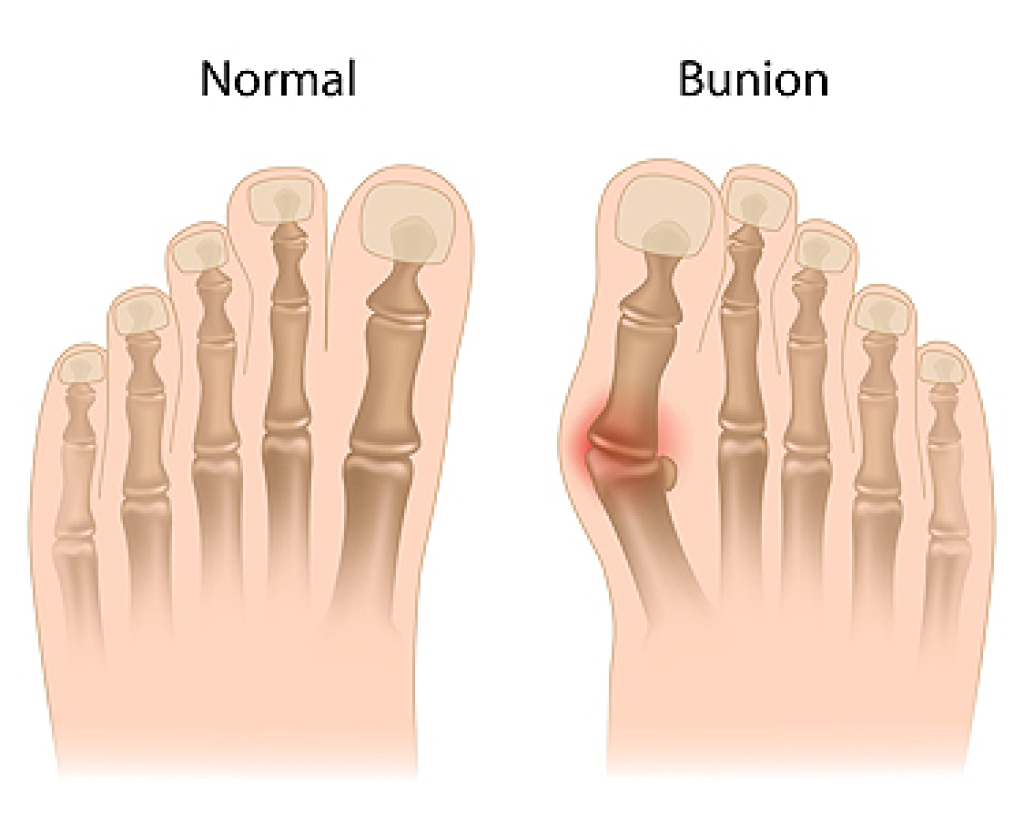
  • Bunions
  • Hammertoes
  • Plantar Fasciitis
  • Bone Spurs
  • Corns
  • Tarsal Tunnel Syndrome
  • Ingrown Toenails
  • Arthritis (such as Gout, Rheumatoid, and Osteoarthritis)
  • Flat Feet
  • Injury (from stress fractures, broken toe, foot, ankle, Achilles tendon ruptures, and sprains)
  • And more

Diagnosis

To figure out the cause of foot pain, podiatrists utilize several different methods. This can range from simple visual inspections and sensation tests to X-rays and MRI scans. Prior medical history, family medical history, and any recent physical traumatic events will all be taken into consideration for a proper diagnosis.

Treatment

Treatment depends upon the cause of the foot pain. Whether it is resting, staying off the foot, or having surgery; podiatrists have a number of treatment options available for foot pain.

If you have any questions, please feel free to contact our offices located in Ponca City, and Stillwater, OK . We offer the newest diagnostic and treatment technologies for all your foot care needs.

Read more about Foot Pain

How to Recognize Tarsal Tunnel Syndrome

Tarsal tunnel syndrome involves pressure on a nerve that travels along the inside of the ankle and into the sole of the foot. It is similar to how carpal tunnel syndrome affects a nerve at the wrist. The pain develops when the tibial nerve is squeezed within a narrow space near the ankle, leading to sensory changes in the foot. Warning signs include tingling, numbness, burning, or sharp sensations in the arch, heel, or toes. Discomfort can worsen with walking or standing and continue during rest. Causes include flat feet, swelling after ankle injuries, arthritis-related changes, or soft tissue masses near the nerve. A podiatrist can evaluate foot structure, check nerve response, and confirm the source of compression. If you are experiencing such ankle pain, it is suggested that you make an appointment with a podiatrist for a diagnosis and options for treatment.

Ankle pain can have many different causes and the pain may potentially be serious. If you have ankle pain, consult with Derek Smith, DPM from Oklahoma. Our doctor will assess your condition and provide you with quality foot and ankle treatment.

Ankle pain is any condition that causes pain in the ankle. Due to the fact that the ankle consists of tendons, muscles, bones, and ligaments, ankle pain can come from a number of different conditions.

Causes

The most common causes of ankle pain include:

  • Types of arthritis (rheumatoid, osteoarthritis, and gout)
  • Ankle sprains
  • Broken ankles
  • Achilles tendinitis
  • Achilles tendon rupture
  • Stress fractures
  • Tarsal tunnel syndrome
  • Plantar fasciitis

Symptoms

Symptoms of ankle injury vary based upon the condition. Pain may include general pain and discomfort, swelling, aching, redness, bruising, burning or stabbing sensations, and/or loss of sensation.

Diagnosis

Due to the wide variety of potential causes of ankle pain, podiatrists will utilize a number of different methods to properly diagnose ankle pain. This can include asking for personal and family medical histories and of any recent injuries. Further diagnosis may include sensation tests, a physical examination, and potentially x-rays or other imaging tests.

Treatment

Just as the range of causes varies widely, so do treatments. Some more common treatments are rest, ice packs, keeping pressure off the foot, orthotics and braces, medication for inflammation and pain, and surgery.

If you have any questions please feel free to contact our offices located in Ponca City, and Stillwater, OK . We offer the newest diagnostic tools and technology to treat your foot and ankle needs.

Read more about Ankle Pain

Heel Pain Can Be Treated!

Do you suffer from heel pain when you get up in the morning? If so, you should seek professional help and have a proper diagnosis performed. Heel pain can be caused by several different foot-related conditions.

Connect With Us

scroll to top