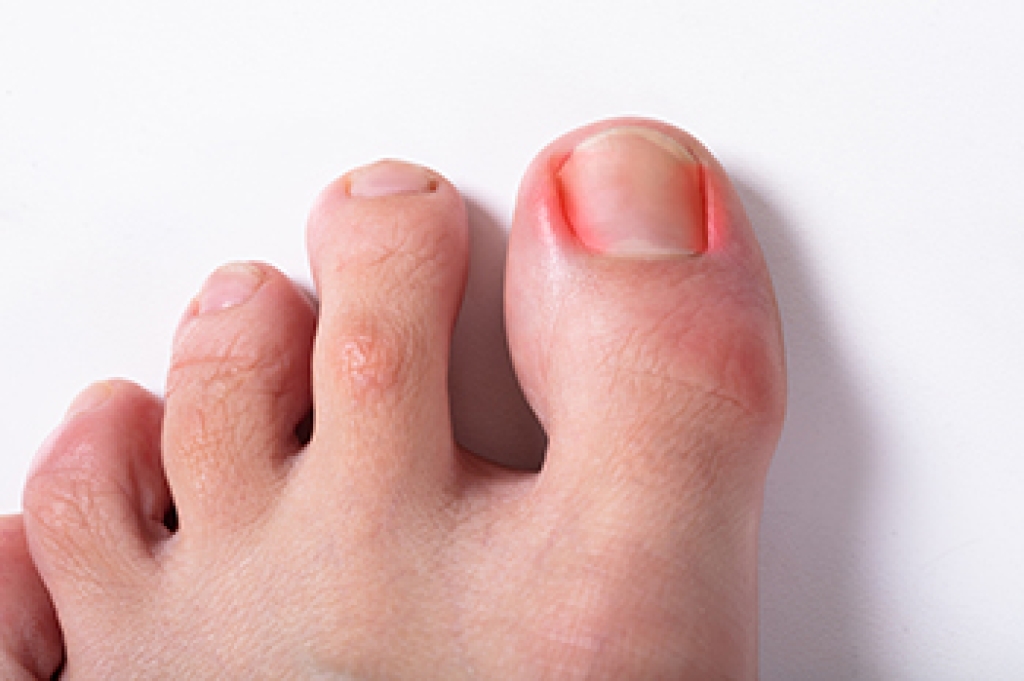
Foot Alignment Link to Ingrown Toenails

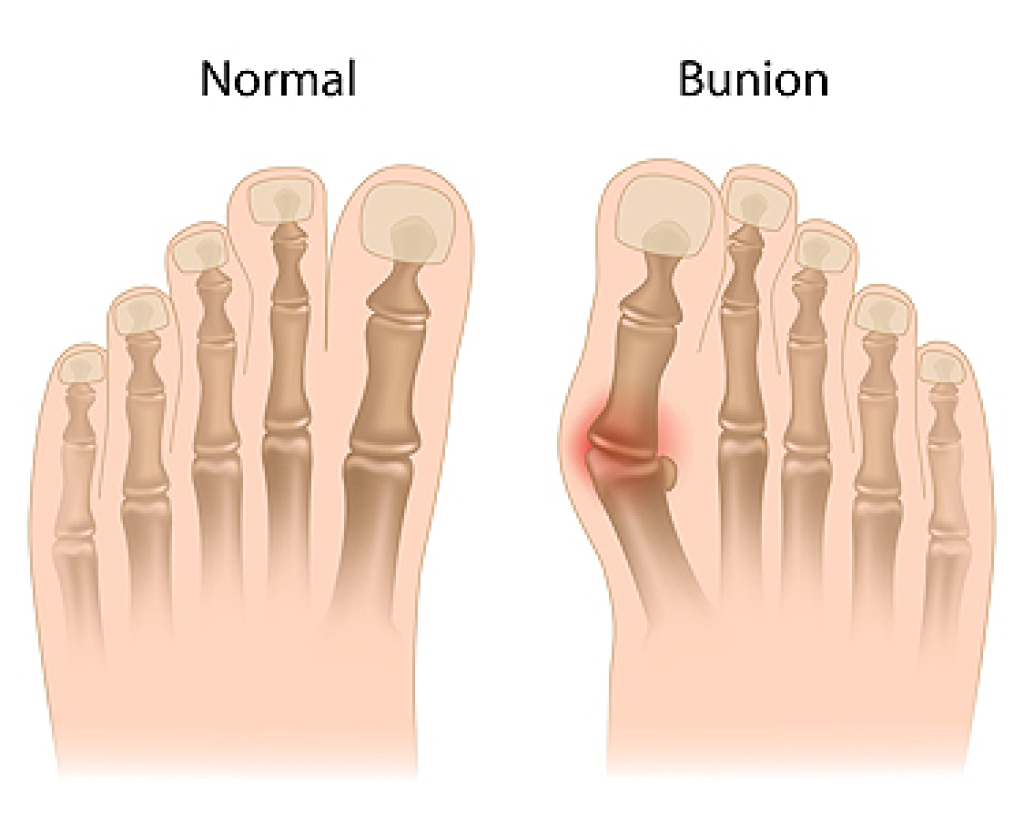
Recent studies suggest that foot alignment may influence the development of ingrown toenails. An ingrown toenail occurs when the nail edge presses into nearby skin, causing pain, swelling, and infection. Studies suggest that people with a lower foot arch, flat feet, may face a higher risk. A reduced arch can shift pressure toward the front of the foot and the big toe, increasing irritation along the nail border. In some people, the tip of the big toe bone may angle outward, which can lead to ingrown nails along the outer side. A podiatrist can evaluate foot structure by examination and imaging. Treatment may involve correcting nail growth patterns, easing pressure on the toe, and addressing alignment problems to reduce repeat episodes. If you have pain from an ingrown toenail, it is suggested that you make an appointment with a podiatrist for an exam, diagnosis, and treatment.

Ingrown toenails can become painful if they are not treated properly. For more information about ingrown toenails, contact Derek Smith, DPM of Oklahoma. Our doctor can provide the care you need to keep you pain-free and on your feet.

Ingrown Toenails

Ingrown toenails occur when a toenail grows sideways into the bed of the nail, causing pain, swelling, and possibly infection.

Causes

  • Bacterial infections
  • Improper nail cutting such as cutting it too short or not straight across
  • Trauma to the toe, such as stubbing, which causes the nail to grow back irregularly
  • Ill-fitting shoes that bunch the toes too close together
  • Genetic predisposition

Prevention

Wearing proper fitting shoes and using proper cutting techniques will also help decrease your risk of developing ingrown toenails.

Treatment

Ingrown toenails are a very treatable foot condition. In minor cases, soaking the affected area in salt or antibacterial soaps will not only help with the ingrown nail itself, but also help prevent any infections from occurring. In more severe cases, surgery is an option. In either case, speaking to your podiatrist about this condition will help you get a better understanding of specific treatment options that are right for you.

If you have any questions, please feel free to contact our offices located in Ponca City, and Stillwater, OK . We offer the newest diagnostic and treatment technologies for all your foot care needs.
Read more about Ingrown Toenails

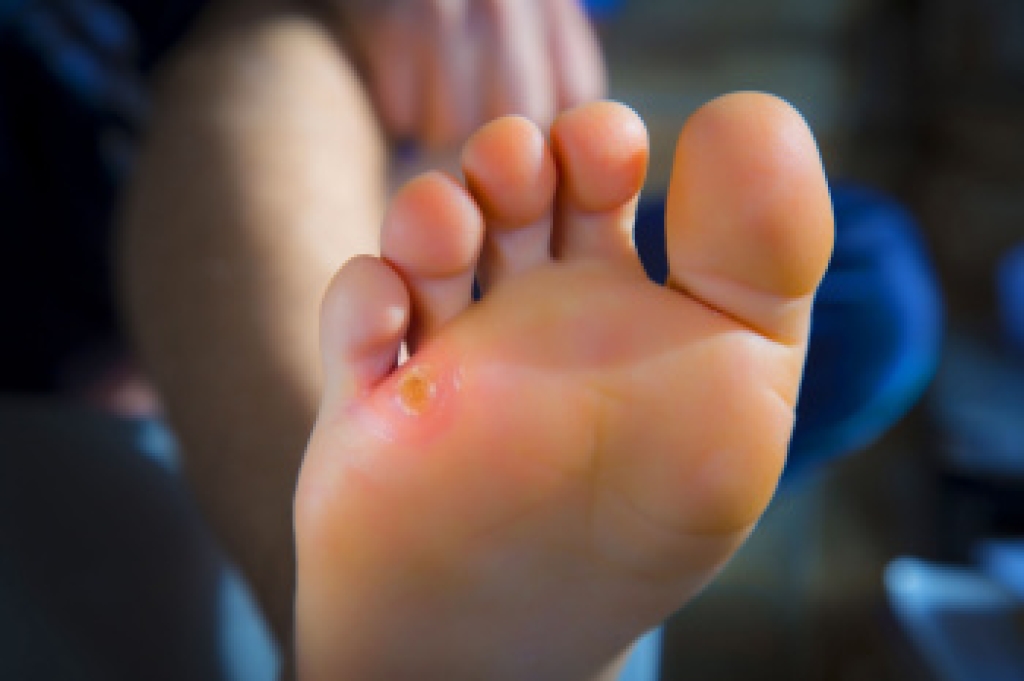
Wounds That Don't Heal Need to Be Checked

Your feet are covered most of the day. If you're diabetic, periodic screening is important for good health. Numbness is often a sign of diabetic foot and can mask a sore or wound.

Common Foot and Leg Problems in Children

Foot and leg problems in children can appear during early growth as bones, muscles, and joints develop. Bow legs describe a condition in which the legs curve outward when the feet remain together. Knock knees occur when the knees angle inward and touch while the ankles remain apart. In-toeing refers to a walking pattern in which the feet turn inward during movement. Additionally, tiptoe walking occurs when a child walks primarily on the front part of the feet rather than the heels. Wearing proper footwear is important during development, and first shoes should provide support with secure laces or Velcro closures. A podiatrist can evaluate growth patterns and guide treatment. If concerns about walking or foot development arise, it is suggested that you consult a podiatrist who can treat various foot conditions, and help you to monitor your child’s foot health.

The health of a child’s feet is vital to their overall well-being. If you have any questions regarding foot health, contact Derek Smith, DPM of Oklahoma. Our doctor can provide the care you need to keep you pain-free and on your feet.

Tips for Keeping Children's Feet Healthy

  • Make sure their shoes fit properly
  • Look for any signs of in-toeing or out-toeing
  • Check to see if they have Clubfoot (condition that affects your child’s foot and ankle, twisting the heel and toes inward) which is one of the most common nonmajor birth defects.
  • Lightly cover your baby’s feet (Tight covers may keep your baby from moving their feet freely, and could prevent normal development)
  • Allow your toddler to go shoeless (Shoes can be restricting for a young child’s foot)
  • Cut toenails straight across to avoid ingrown toenails
  • Keep your child’s foot clean and dry
  • Cover cuts and scrapes. Wash any scratches with soap and water and cover them with a bandage until they’ve healed.

If you have any questions, please feel free to contact our offices located in Ponca City, and Stillwater, OK . We offer the newest diagnostic and treatment technologies for all your foot care needs.
Read more about How to Care for Your Child's Feet

Restoring Comfort and Skin Health in Cracked Heels

Heel fissures are deep cracks that develop in dry, thickened skin along the back or bottom of the heel. They often form when the skin loses moisture and elasticity. Standing for long periods, wearing open-backed shoes, and having weight-related pressure on the heel can increase risk. In some cases, underlying conditions such as diabetes or thyroid imbalance may contribute to severe dryness. Management begins with gentle removal of thick, built-up skin using professional debridement. Daily application of urea-based or lactic-acid-based moisturizers helps soften and hydrate the area. Wearing closed-heel, supportive footwear reduces pressure and prevents further splitting. In painful cases, protective dressings may be used to promote skin repair. Consistent at-home care is important to prevent recurrence. Ignoring heel cracks can lead to bleeding or infection. If you have painful or deep heel fissures that are not improving, it is suggested that you see a podiatrist for a proper diagnosis and appropriate treatment.

Cracked heels are unsightly and can cause further damage to your shoes and feet. If you have any concerns, contact Derek Smith, DPM from Oklahoma. Our doctor can provide the care you need to keep you pain-free and on your feet.

Cracked Heels

Cracked heels appear unappealing and can make it harder for you walk around in sandals. Aside from looking unpleasant, cracked heels can also tear stockings, socks, and wear out your shoes. There are several methods to help restore a cracked heel and prevent further damage.

How Do You Get Them?

Dry skin is the number one culprit in creating cracked heels. Many athletes, walkers, joggers, and even swimmers suffer from cracked heels. Age and skin oil production play a role to getting cracked heels as well.

Promote Healing

Over the counter medicines can help, especially for those that need instant relief or who suffer from chronic dry feet.

Wear Socks – Wearing socks with medicated creams helps lock in moisture.

Moisturizers – Applying both day and night will help alleviate dryness which causes cracking.

Pumice Stones – These exfoliate and remove dead skin, which allows for smoother moisturizer application and better absorption into the skin. 

Change in Diet

Eating healthy with a well-balanced diet will give the skin a fresh and radiant look. Your body responds to the kinds of food you ingest. Omega-3 fatty acids and zinc supplements can also revitalize skin tissue.

Most importantly, seek professional help if unsure how to proceed in treating cracked heels. A podiatrist will help you with any questions or information needed. 

If you have any questions, please feel free to contact our offices located in Ponca City, and Stillwater, OK . We offer the newest diagnostic and treatment technologies for all your foot care needs.
Read more about Solutions for Cracked Heels

Sever's Disease and How to Support Your Child's Feet

Sever’s disease is a condition that causes inflammation of the growth plate in the heel of children and adolescents, leading to heel pain and tenderness. It often occurs during periods of rapid growth when the bones, muscles, and tendons are developing at different rates. Children who are active in running, jumping, or sports are particularly at risk, as repetitive stress places additional strain on the heel. Diagnosis is typically based on a physical examination, medical history, and evaluation of activity patterns. A podiatrist can provide stretching exercises, footwear recommendations, supportive orthotics, and strategies to reduce pain and inflammation. If your active child has heel pain, it is suggested that you consult a podiatrist who can offer effective relief and management tips.

Sever's disease often occurs in children and teens. If your child is experiencing foot or ankle pain, see Derek Smith, DPM from Oklahoma. Our doctor can treat your child’s foot and ankle needs.

Sever’s Disease

Sever’s disease is also known as calcaneal apophysitis, which is a medical condition that causes heel pain I none or both feet. The disease is known to affect children between the ages of 8 and 14.

Sever’s disease occurs when part of the child’s heel known as the growth plate (calcaneal epiphysis) is attached to the Achilles tendon. This area can suffer injury when the muscles and tendons of the growing foot do not keep pace with bone growth. Therefore, the constant pain which one experiences at the back of the heel will make the child unable to put any weight on the heel. The child is then forced to walk on their toes.

Symptoms

Acute pain – Pain associated with Sever’s disease is usually felt in the heel when the child engages in physical activity such as walking, jumping and or running.

Highly active – Children who are very active are among the most susceptible in experiencing Sever’s disease, because of the stress and tension placed on their feet.

If you have any questions, please feel free to contact our offices located in Ponca City, and Stillwater, OK . We offer the newest diagnostic and treatment technologies for all your foot care needs.

Read more about Sever's Disease

Connect With Us

scroll to top